
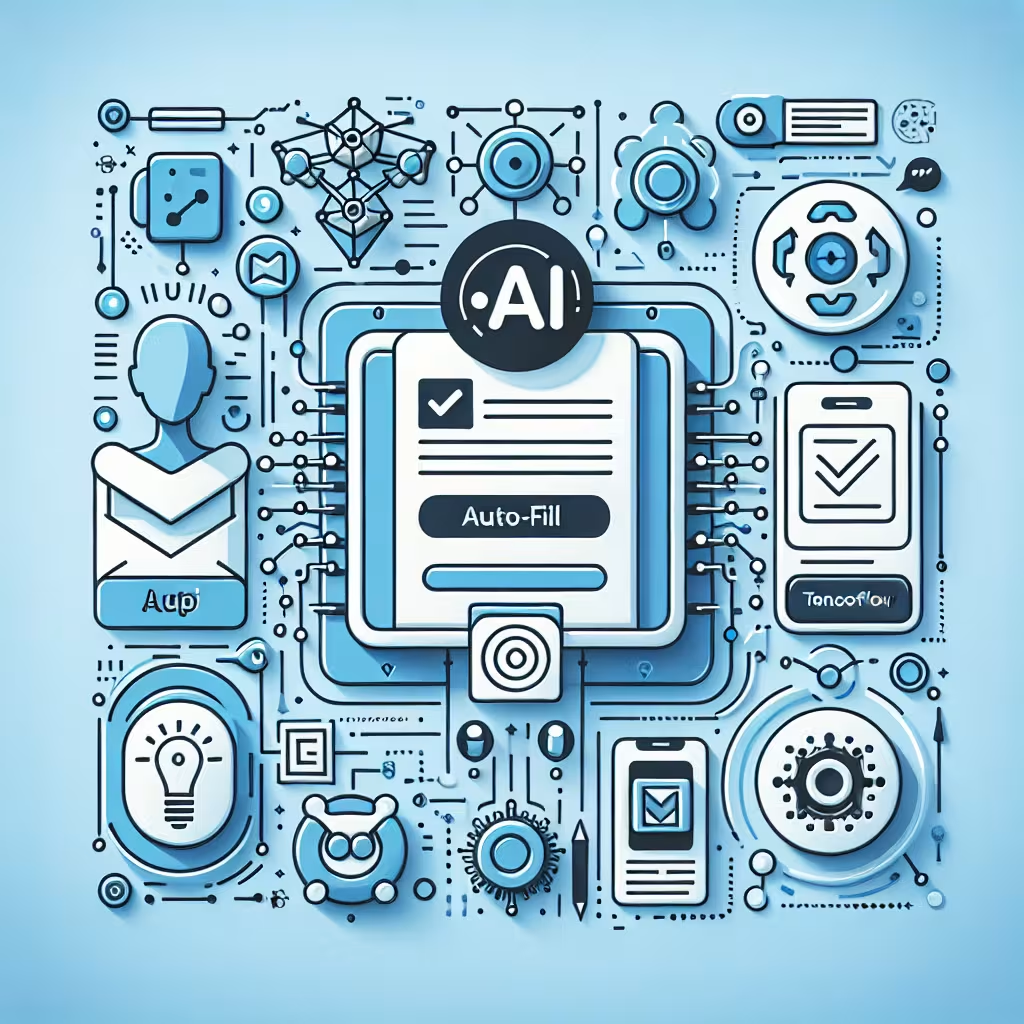
In today's digital landscape, user experience is paramount, especially when it comes to web forms. Traditional forms often lead to high abandonment rates due to cumbersome input processes and validation errors. However, recent advancements in artificial intelligence (AI) are transforming how we interact with forms by introducing intelligent auto-fill, validation mechanisms, and intent detection techniques. This article explores the revolutionary potential of AI-powered form design and how companies like Peak AI Design LLC are at the forefront of this innovation.
The Role of Auto-Fill in Form Design
Auto-fill technology has made significant strides in recent years, enhancing the user experience by minimizing the time and effort needed to complete forms. By leveraging machine learning algorithms, AI can analyze user input patterns and context to anticipate the data that users intend to enter. This predictive capability not only streamlines the form completion process but also reduces errors associated with manual entry.
For instance, when a user begins typing their address, auto-fill can suggest the complete address based on previous entries or publicly available datasets. This immediate feedback allows for quicker submissions and a more satisfying user journey. Companies like Peak AI Design LLC understand the intricacies of integrating these advanced tools to ensure that users enjoy seamless interactions when providing their information.
Enhancing Data Validation with AI
Validation is a critical aspect of form design, often determining whether the data submitted meets specific criteria and is usable for its intended purpose. Traditional validation techniques typically involve checking for basic formatting errors, such as incorrect email formats or missing required fields. While effective to an extent, these methods are often limited in their scope.
AI-driven validation goes a step further by intelligently analyzing the context of user input. For example, when a user enters a phone number, AI can not only ensure that the formatting is correct but also assess whether the number aligns with regional patterns, helping to identify potentially invalid entries even before the user submits the form. This proactive approach to error detection not only enhances data integrity but also fosters trust with users, as they receive instant feedback on their entries.
Intent Detection: Understanding User Needs
The future of form design lies in understanding user intent. With advancements in natural language processing (NLP), AI can analyze user interactions to derive insights into their needs and motivations. This understanding allows businesses to tailor forms to better fit user expectations, thereby enhancing engagement and completion rates.
For instance, if a user types a query that indicates they are looking for a specific service, AI can pre-fill relevant information based on the identified intent or adjust the entire form to focus more closely on the services that align with the user’s interests. This capability not only personalizes the interaction but also increases the likelihood of conversion. Peak AI Design LLC excels in leveraging intent detection technologies to support businesses in creating forms that cater to the unique demands of their users.
The Benefits of AI-Powered Forms
The integration of AI in form design offers a myriad of benefits for businesses and users alike. First and foremost, the use of auto-fill and validation techniques significantly reduces friction in the data entry process, leading to improved user satisfaction and higher completion rates. By minimizing the time and complexity involved in filling out forms, businesses can gather critical information more efficiently.
Moreover, the data collected through smarter forms is often of higher quality, thanks to the advanced validation mechanisms that prevent errors and ensure accuracy. This leads to better analytics and insights, allowing organizations to make informed decisions based on reliable data.
AI-powered forms also hold the potential for continuous improvement. As users interact with these forms, AI learns from their behavior, adapting over time to better cater to their preferences. This adaptability ensures that forms remain relevant and effective, keeping pace with evolving user expectations.
Conclusion
The integration of AI in form design is not merely an enhancement; it represents a fundamental shift in how businesses collect and process user information. By harnessing technologies such as auto-fill, validation, and intent detection, organizations can create smarter forms that streamline user experiences and drive conversion rates.
At Peak AI Design LLC, we specialize in creating integrated solutions that leverage the full potential of AI in web development. Our team is dedicated to helping businesses enhance their online engagement through innovative, user-centric design. Discover how we can assist you in revolutionizing your form design by reaching out to us for a free consultation today!
This article was published by Peak AI Design LLC — expert web development and AI integration for businesses ready to grow. Contact us for a free consultation.
Comments