
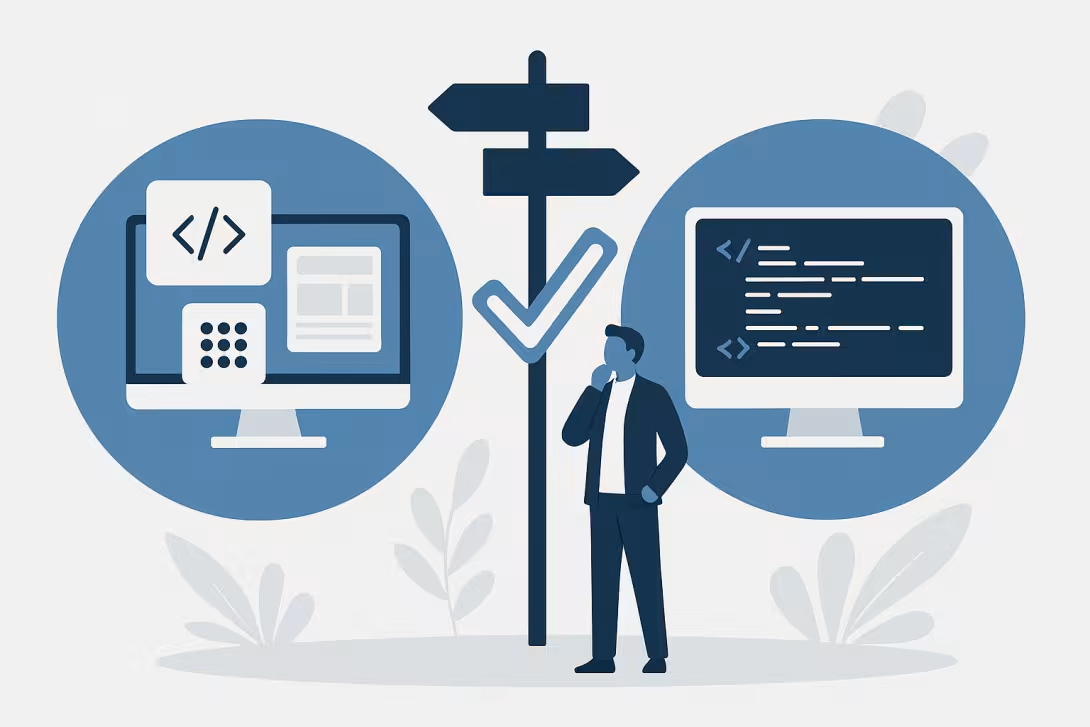
In today's fast-paced technological landscape, businesses grapple with a pivotal question: should they adopt no-code or low-code platforms or invest in custom software development? Understanding the key differences between these approaches is essential for making informed decisions that align with organizational needs and resources. This article explores the nuances of no-code vs. custom solutions, empowering businesses to make the right choice for their unique circumstances. Peak AI Design LLC is here to provide insights, ensuring that you navigate this complex terrain with confidence.
Understanding No-Code and Low-Code Platforms
No-code and low-code platforms have gained significant traction in recent years, enabling users to create functional applications without considerable programming knowledge. No-code platforms allow users to build applications entirely through visual interfaces, often with drag-and-drop functionality. This accessibility democratizes software development, enabling anyone within an organization, regardless of technical skills, to contribute to application creation.
On the other hand, low-code platforms require some degree of coding knowledge, offering developers flexibility to customize applications. These platforms provide a balanced approach, making it easier for developers to create complex applications while minimizing the amount of time spent on repetitive tasks.
Evaluating Project Requirements
The decision to choose between no-code, low-code, or custom solutions primarily hinges on the specific requirements of the project. Key questions to consider include:
- What functionality does the application need?
- How complex is the application in terms of integrations and user flows?
- What is the anticipated scale of the application?
- What are the budget constraints?
If the project demands standard features and simple workflows, no-code platforms can expedite the development process. They often come equipped with pre-built templates and functionalities tailored to common business processes, making them an ideal choice for startups or smaller enterprises. In such cases, Peak AI Design LLC can assist by recommending the most suitable platforms and providing tailored support to ensure rapid deployment.
Assessing Scalability and Flexibility
Scalability and flexibility are critical considerations when determining the best solution for your business. No-code and low-code solutions often cater well to small- to medium-sized applications, but they may struggle to accommodate larger, more complex projects as business needs evolve. Studies suggest that as organizations scale, many find that the limitations of no-code platforms can stifle growth, particularly when custom integrations or unique features are required.
Custom solutions, while potentially more resource-intensive upfront, offer unmatched flexibility and scalability. They can be tailored to specific business processes and can integrate seamlessly with existing systems. Therefore, if a project is expected to grow significantly or demands complex, unique functionalities, investing in custom development is likely the more effective choice. Peak AI Design LLC specializes in developing scalable solutions that adapt to changing business requirements, ensuring longevity and resilience.
Time to Market vs. Long-Term Investment
Another essential factor in decision-making relates to the time-to-market for the application. No-code solutions enable fast deployment, which is invaluable for businesses with urgent needs or limited resources. In contrast, custom development often requires a longer timeline due to design, coding, testing, and deployment phases.
However, a rapid launch should be weighed against long-term benefits. Custom-built applications typically have superior performance and can evolve with an organization’s needs over time, ultimately reducing maintenance costs and potential platform limitations. When weighing short-term speed against long-term investment, businesses must consider their growth trajectory and the implications of their chosen solution.
Cost Analysis
Cost is an undeniable factor in deciding between no-code, low-code, and custom solutions. No-code platforms often operate on subscription models that appear affordable initially, but recurring fees can accumulate over time, especially as features expand or user numbers increase.
Conversely, while custom solutions involve a larger upfront investment, they can often result in lower long-term costs due to reduced reliance on third-party platforms. This makes a thorough cost-benefit analysis crucial. Peak AI Design LLC can collaborate with businesses to illustrate a clear financial forecast, ensuring stakeholders understand the potential ROI of various options.
In Conclusion
Choosing between no-code, low-code, and custom software solutions is not a straightforward decision; it requires careful consideration of project requirements, scalability, time constraints, and costs. Ultimately, aligning the choice with organizational goals will lead to more beneficial outcomes. At Peak AI Design LLC, we are passionate about helping businesses navigate these decisions thoughtfully, ensuring that you choose the best path for your unique needs.
Ready to take the next step in your software development journey? Contact Peak AI Design LLC today for a free consultation and let us help you explore the best solution for your business!
This article was published by Peak AI Design LLC — expert web development and AI integration for businesses ready to grow. Contact us for a free consultation.
Comments