
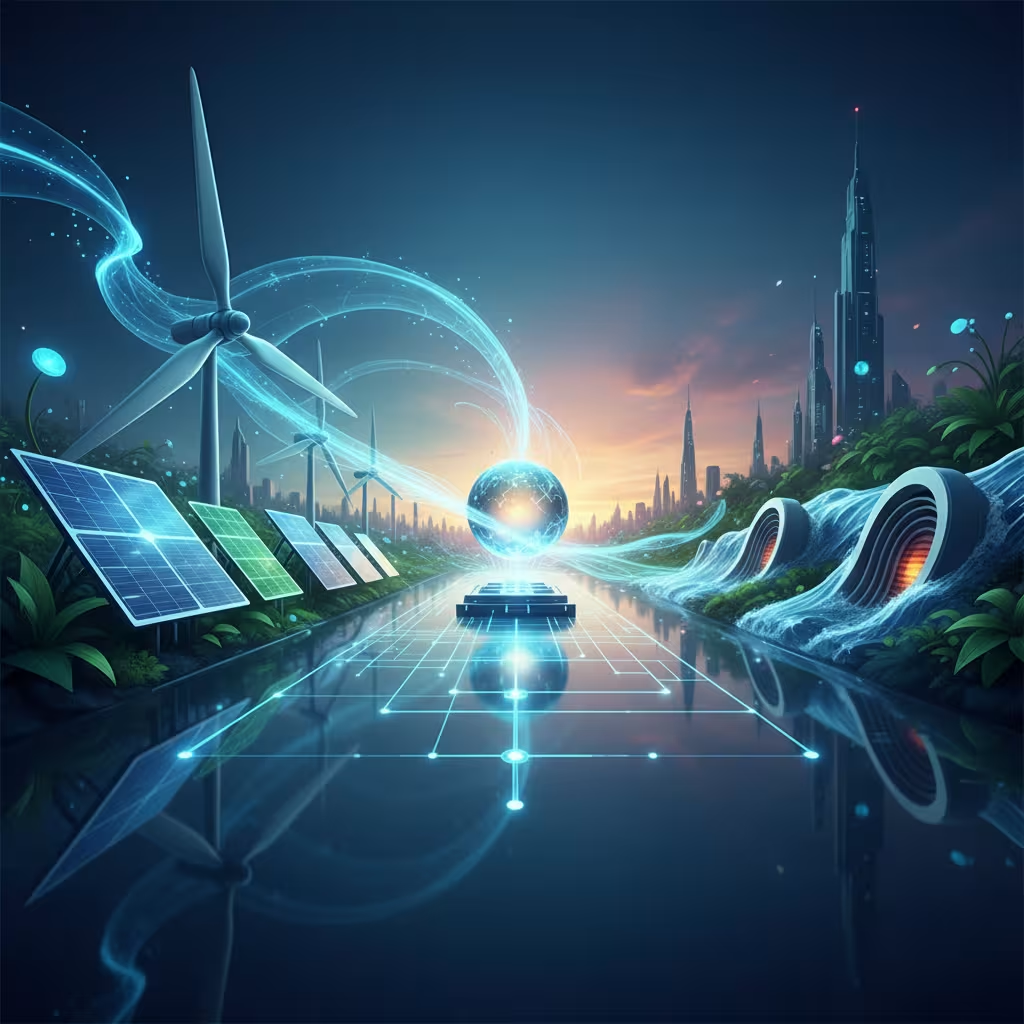
The demand for clean, sustainable energy sources continues to rise as global concerns about climate change intensify. Innovations in technology, materials, and energy management are playing a pivotal role in shaping the future of renewable energy solutions. This article explores some of the most promising developments set to transform the renewable energy landscape.
Advancements in Solar Technology
Solar power remains one of the fastest-growing segments in the renewable energy market. Recent innovations in photovoltaic (PV) technology, such as bifacial solar panels, are allowing for increased efficiency by capturing sunlight from both sides of the panel. Furthermore, the development of perovskite solar cells presents a game-changing opportunity; these cells are less expensive to produce and offer higher efficiency rates compared to traditional silicon-based cells. As research and development in this area continue, we can expect a significant reduction in the cost of solar energy and an increase in its global adoption.
Wind Energy Evolution
Wind energy is also experiencing a renaissance, with the introduction of floating wind farms. These offshore structures are capable of harnessing high-velocity winds in deeper waters, areas previously deemed unsuitable for traditional turbine installations. Moreover, advancements in turbine design have led to larger, more efficient models that can generate power even in low-wind conditions. The integration of artificial intelligence for predictive maintenance and operational optimization is further enhancing the efficiency and reliability of wind energy systems.
Energy Storage Solutions
One of the key challenges associated with renewable energy sources is their intermittency. Innovations in energy storage technology, particularly lithium-sulfur batteries and solid-state batteries, are addressing this issue effectively. These next-generation battery technologies promise greater energy density, faster charging times, and longer lifespans compared to conventional lithium-ion systems. Improved energy storage solutions will not only enhance the stability of renewable energy sources but also allow for greater energy independence and resilience in grids worldwide.
Hydrogen as a Clean Fuel
Hydrogen has emerged as a viable contender in the renewable energy arena, particularly in transportation and heavy industries where direct electrification is challenging. Innovations in electrolysis technology, which splits water into hydrogen and oxygen using renewable electricity, are making green hydrogen production more economically viable. As hydrogen fuel cells become more mainstream, they hold the potential to decarbonize various sectors and support the transition to a low-carbon economy.
Smart Grids and Energy Management
The integration of smart technology into energy management systems is crucial for maximizing the efficiency of renewable energy sources. Smart grids allow for real-time monitoring and management of energy distribution, facilitating the use of decentralized energy resources. Innovations in blockchain technology also promise secure, peer-to-peer energy trading, empowering consumers to participate actively in energy markets. Such developments can lead to increased efficiency in resource allocation and greater grid stability.
In conclusion, the future of renewable energy is being shaped by an array of innovative technologies and solutions. From advanced solar and wind energy systems to improved energy storage and the rise of hydrogen fuel, these advancements are paving the way for a more sustainable and resilient energy future. As these innovations continue to unfold, it is essential for policymakers, businesses, and communities to embrace these changes to combat climate change and foster a cleaner planet for future generations.
Comments